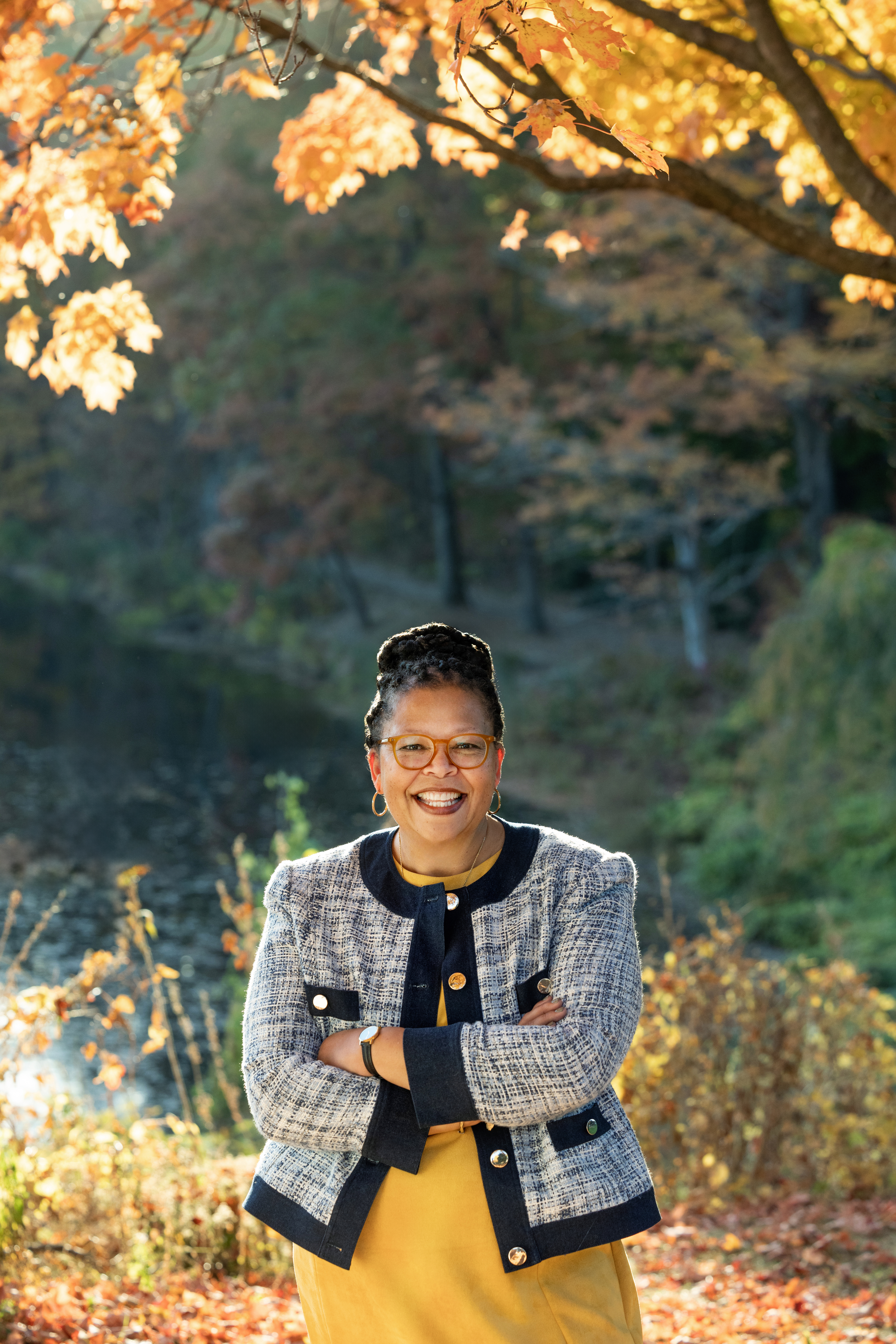
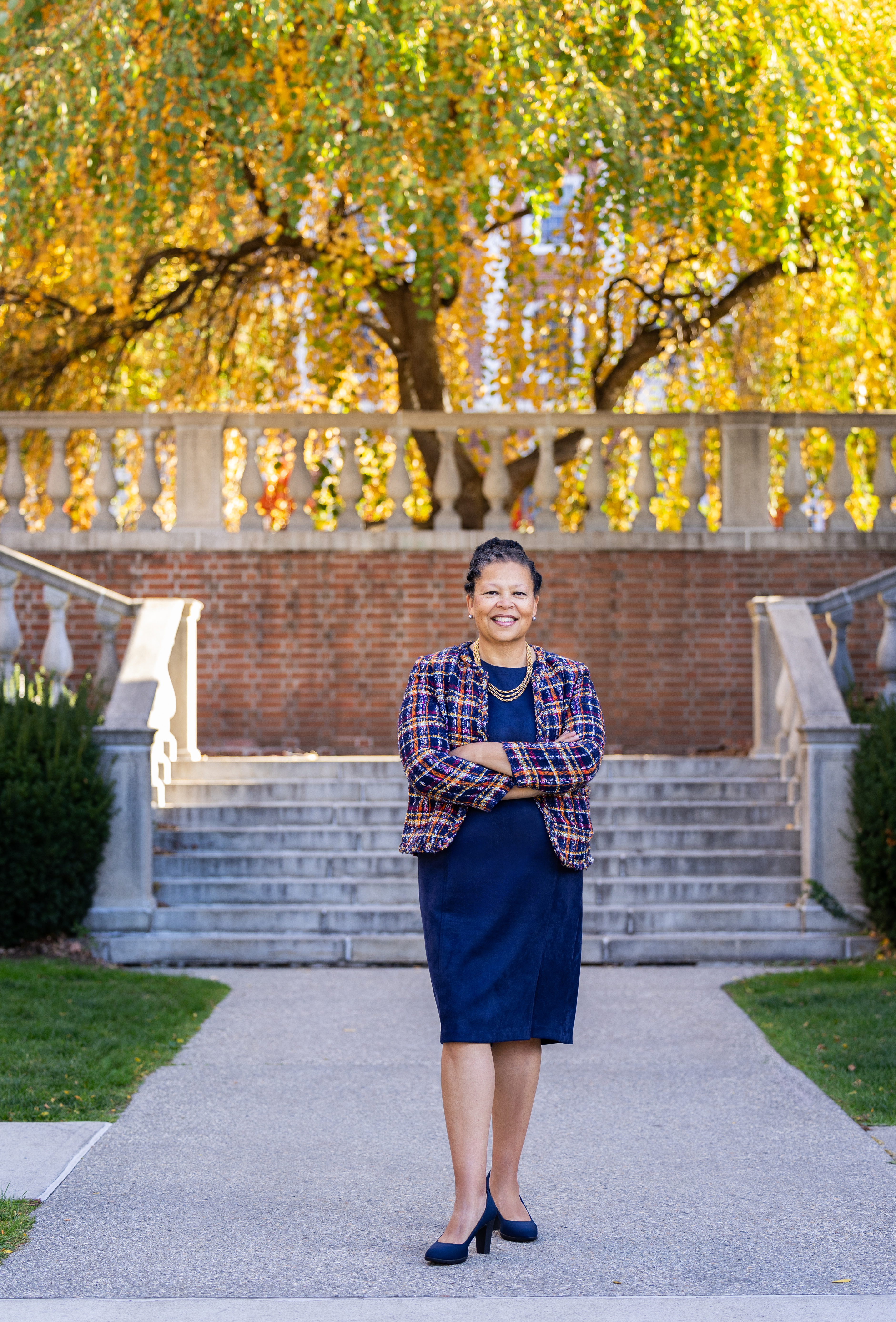
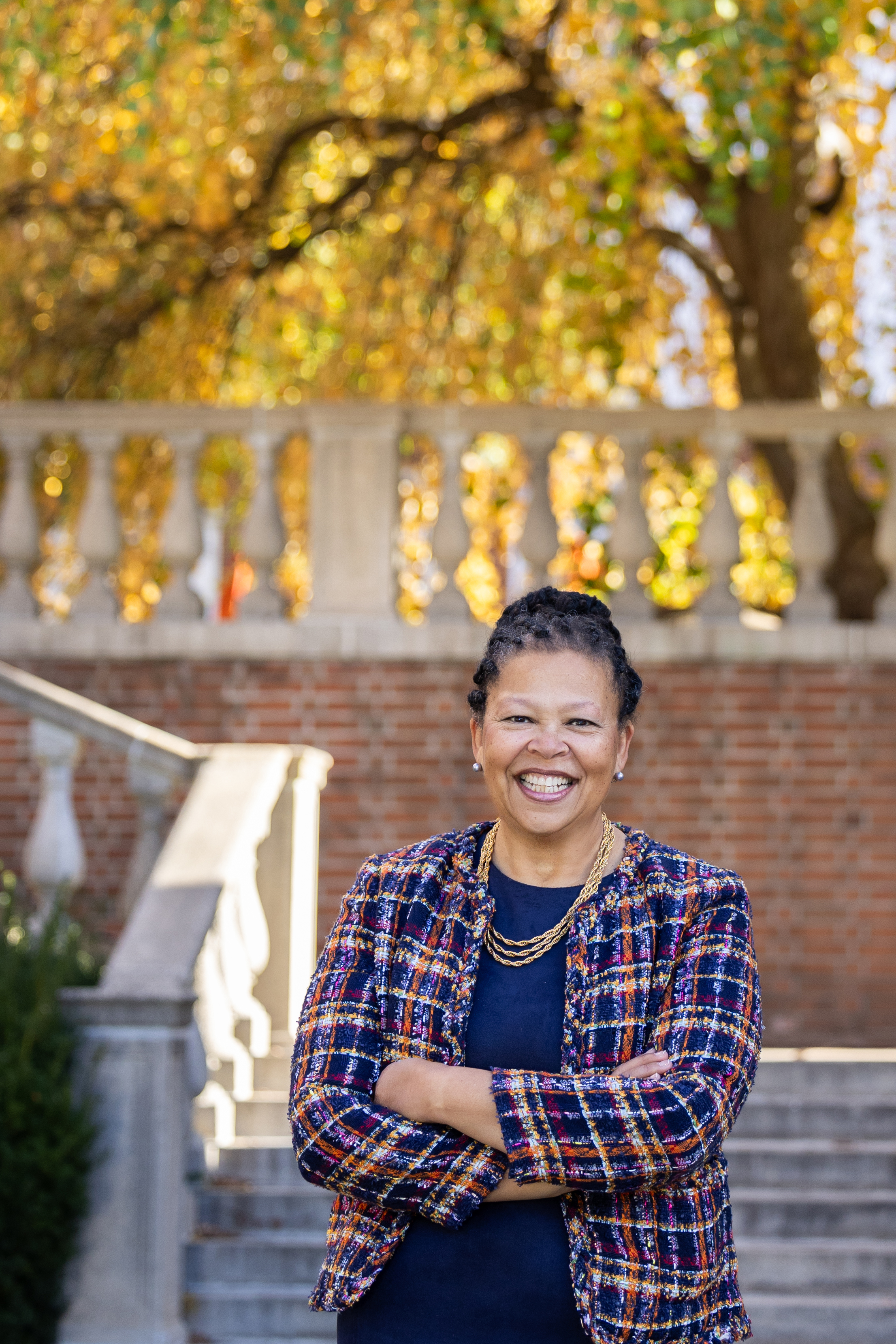
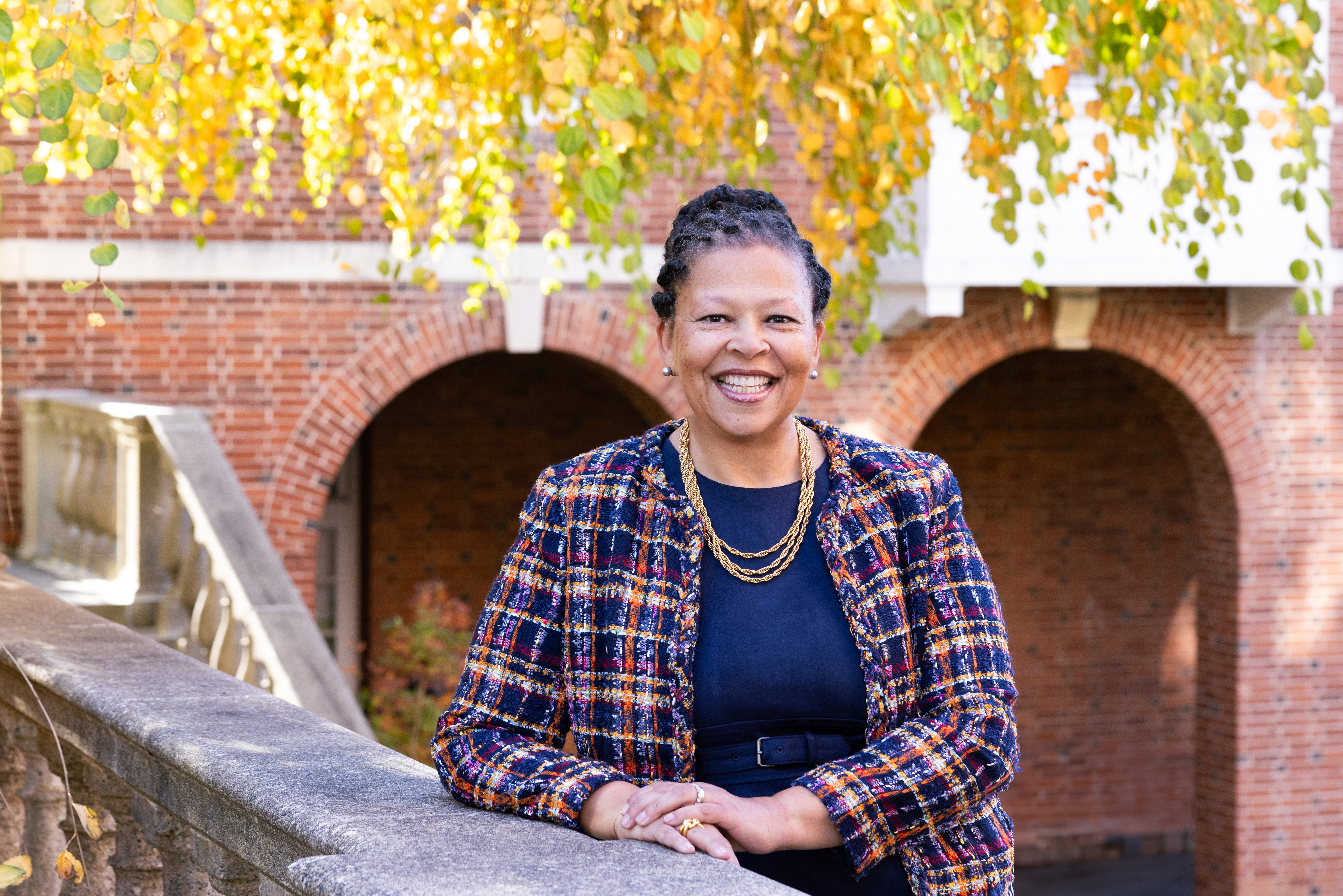
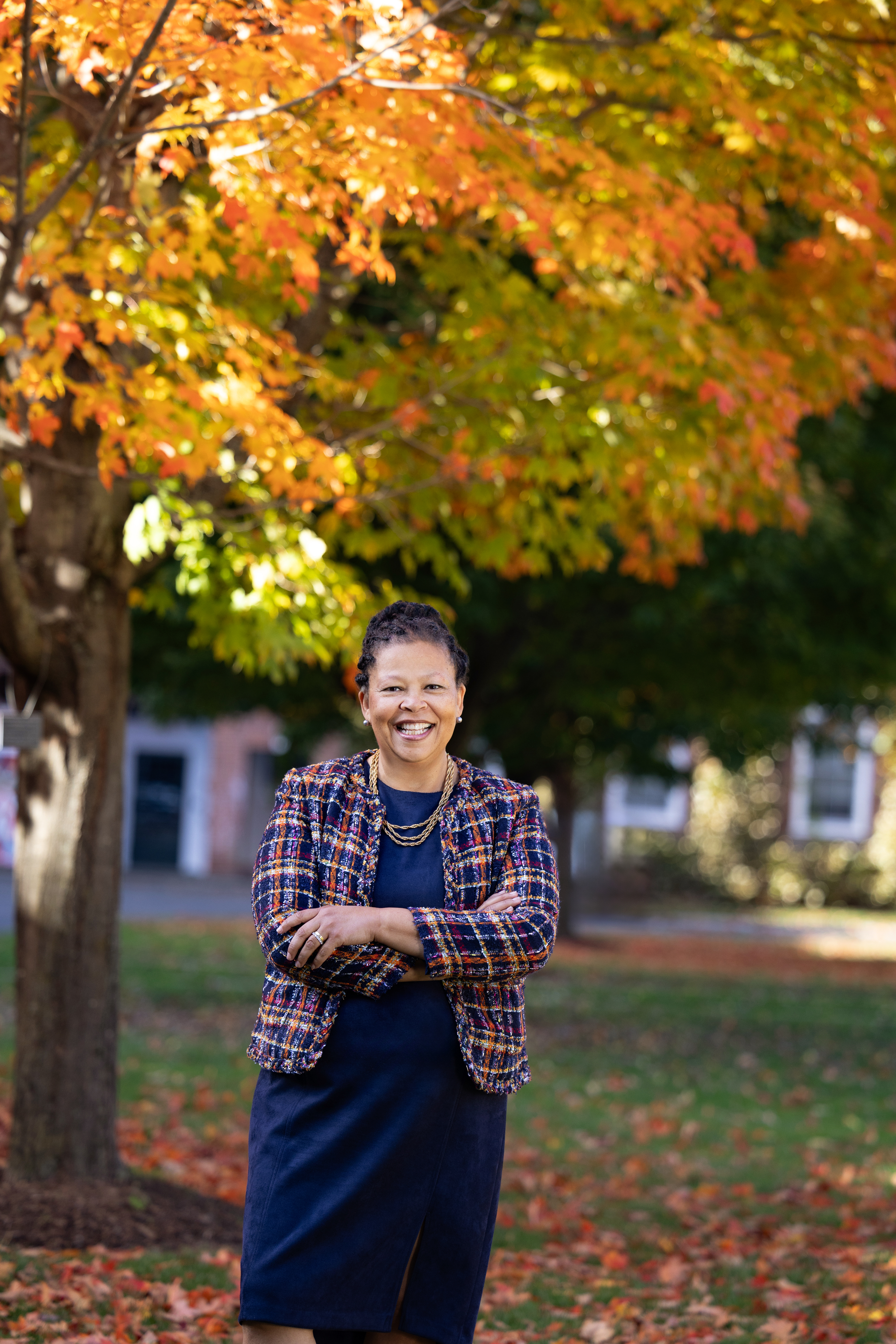
An accomplished administrator, scholar, and sociologist who studies race and ethnicity and social inequality, Willie-LeBreton is known for her commitment to the liberal arts, strengthening community, and energizing the work of equity and inclusion. She is the author of several dozen articles, essays, reviews, and op-ed columns. Her first book, Acting Black: College, Identity and the Performance of Race (Routledge 2003), compares the post-civil rights era experiences Black college alumni at comparable predominantly white and historically black institutions. Her second book, which she edited and to which she contributed, Transforming the Academy: Faculty Perspectives on Diversity and Pedagogy (Rutgers 2016), explores the experiences of people with marginalized identities in their roles as faculty and administrators in dominant academic spaces.
Willie-LeBreton has worked with a broad range of groups and organizations to understand social dynamics and develop strategies to help participants move their organizations toward self-awareness, transformation, compassion, and inclusivity. She believes in bringing research and theory to bear on everyday challenges.
In 2026, she was elected into the American Academy of Arts and Sciences, became chair of the board for the Association of Independent Colleges and Universities of Massachusetts, treasurer of the board for the national Women’s College Coalition, and was chosen for the Aspen-Kern Program for Leadership & Character in Higher Education’s Presidential Leadership Fellowship. She gave a panel presentation at the annual Board Chairs & Presidents Workshop for the Association of Governing Boards on campus crises and communications, and was asked by the New England Commission on Higher Education to chair a team considering the candidacy of an international university for accreditation.
A thought partner in board governance, Willie-LeBreton’s board service has included Pendle Hill Quaker Center, Haverford College, Benchmark School, the Shalem Institute for Spiritual Formation, the American Sociological Association’s (ASA) Executive Office and Budget, and the Grand Canyon Conservancy. Over the course of her career, she has been active in the Eastern Sociological Society, the ASA’s Departmental Resources Group, Sociologists for Women in Society, the Association of Black Sociologists, and Philadelphia Yearly Meeting (the largest regional association of Quaker meetings in the United States).